Shelfari

Friday, January 24, 2014

Flipped Classroom

Things have been a little different in my math class this year than what you (and your child) are used to. We are implementing a teaching model known as a “flipped classroom” model. The basic concept behind a flipped classroom is that what was traditionally done in the classroom becomes homework and what was traditionally done at home (homework) is done in the classroom. Crystal Kirch, a nationally renowned teacher who uses this model, describes the flipped classroom in her video. Please take a few moments to watch her video.

A “flipped classroom” switches around the traditional order of teaching with the purpose of creating a more in depth and supportive environment in the classroom when the teacher is present and able to help students. The direct instruction or lecture portion of the class will become the homework. This will primarily be in the form of watching videos that have been produced either by myself or someone else. Students could also be asked to read sections from the textbook. After students watch the video or read the text, they will take notes on vocabulary, content and problem examples. When students come to class the next day we will briefly discuss what they heard in the videos and answer any questions they may have. The rest of the class time will be used for practicing the concepts from the video (homework in the traditional setting) and doing activities intended to enrich the curriculum. There will still be assessment of student learning through quizzes and tests. In addition, there will be some additional outside work such as projects, reviewing for quizzes and tests, and occasionally finishing work that could not be completed in class.

The “flipped classroom” allows for students to receive a more individualized education where my actual face-to-face time with them is being used effectively. This results in them understanding the content at a higher and deeper level than before. Also, it challenges students to learn how to take charge of their learning and manage their time. Lastly, it provides time for more “Higher-Order Thinking” discussion during class time, helping students to become reflective communicators and to think more deeply about the subject.

For more information on the flipped classroom, check out these links:
- The Flipped Classroom Infographic-  A new method of teaching is turning the traditional classroom on its head.
- WHAT is the Flipped Classroom?
- Flipped Classrooms Provide a New Way of Learning
- Turning Education Upside Down

Monday, January 13, 2014

Imitation is the Sincerest Form of Flattery

The popular saying “Imitation is the sincerest form of flattery,” was first coined by Charles Caleb Colton. Imitation writing is taking the work of a 'master' writer and using the structure and patterns as a form to learn and work from. Together we analyze the features of a writer's poem focusing on the language and style of the original writer. The students then create their own parody of the poem based on the original model. By imitating good writing, the students will become better writers themselves.

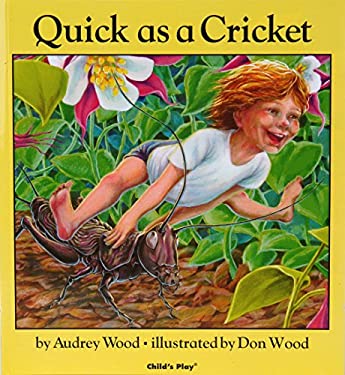
We read the book "Quick as a Cricket" written by Audrey Wood to try our hand at imitation writing. We analyzed Ms. Wood's writing and talked about the language and style that she used throughout the book. The students noticed that she used an ABCB rhyming pattern (the second and fourth line of every stanza rhymed). They also noticed that each stanza has two sets of opposites, the first two lines and the last two line. The coolest thing about this book is that it is all written using similes!

After analyzing the language and style we were ready to start writing our own stories. I will upload them to a link on the right when we complete them.

Monday, April 22, 2013

It's hatching time!

Three weeks ago we put our chicken eggs in the incubator. Over the last 3 weeks we have learned about the development of the chicks as they grow inside the egg and even can candled the eggs to see what was inside. It was a very exciting week watching the chicks hatch from the egg and seeing all the baby chicks running around. All together we had 20 chicks hatch!

Here is a video of the chick that hatched:
 
Here are a few pictures of the chicks in the classroom:


Tuesday, January 8, 2013

Math Videos

Here are two of our favorite math raps:
 
Long Division Style (Gangnan Style parody)
 
Mr. Duey's Improper Fractions


Thursday, December 20, 2012

December 2012, Glossi

With the semester wrapped up a few days early we had time to work on a new project. Each of the students had the opportunity to write an article and publish it to our Glossi, an online magazine. We wrote and published pretty quickly to get it out before break, so please excuse our rookie mistakes!


Friday, December 7, 2012

Remind 101

Earlier this week I sent home a note in Thursday folders about Remind 101. Remind 101 is a program that allows me to send text/email reminders to parents about tests and other important things going on in our classroom.

How to sign up for Ms Tate's 5th Grade notifications: Text @misstat to (469) 208-6542 or Email misstat@mail.remind101.com

(To opt-out, text “unsubscribe @misstat” to (469) 208-6542. Standard text message rates apply.)

Tuesday, November 20, 2012

The First Thanksgiving

Free Thanksgiving ClipartIn 1621, the Plymouth colonists and Wampanoag Indians shared an autumn harvest feast that is acknowledged today as one of the first Thanksgiving celebrations in the colonies. For more than two centuries, days of thanksgiving were celebrated by individual colonies and states. It wasn't until 1863, in the midst of the Civil War, that President Abraham Lincoln proclaimed a national Thanksgiving Day to be held each November.

After the Pilgrims’ first corn harvest proved successful, Governor William Bradford organized a celebratory feast and invited a group of the fledgling colony’s Native American allies, including the Wampanoag chief Massasoit. Now remembered as American’s “first Thanksgiving”—although the Pilgrims themselves may not have used the term at the time—the festival lasted for three days...Historians have suggested that many of the dishes were likely prepared using traditional Native American spices and cooking methods. Because the Pilgrims had no oven and the Mayflower’s sugar supply had dwindled by the fall of 1621, the meal did not feature pies, cakes or other desserts, which have become a hallmark of contemporary celebrations. (http://www.history.com/topics/thanksgiving)

Video: Bet You Didn't Know- The First Thanksgiving

What are some of your family traditions and favorite dishes to eat on Thanksgiving?